
Trusted by 10+ Million Businesses
Free Delivery Challan Format
Download Excel, Word & PDF Templates
Create professional delivery challans quickly, record dispatched goods accurately, and maintain proper documentation for stock transfers, job work, and customer deliveries.
Free Downloads
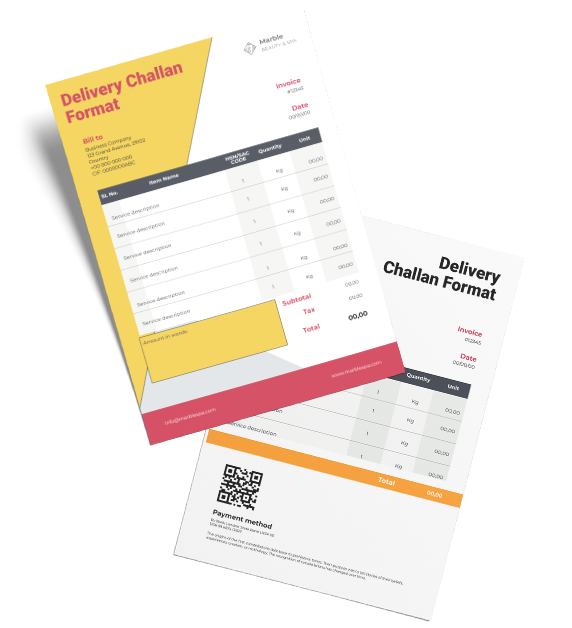
Delivery Challan Formats – Free Download
Choose from a collection of free delivery challan templates in Word, Excel, and PDF formats.
Filter by Format
Word
Excel
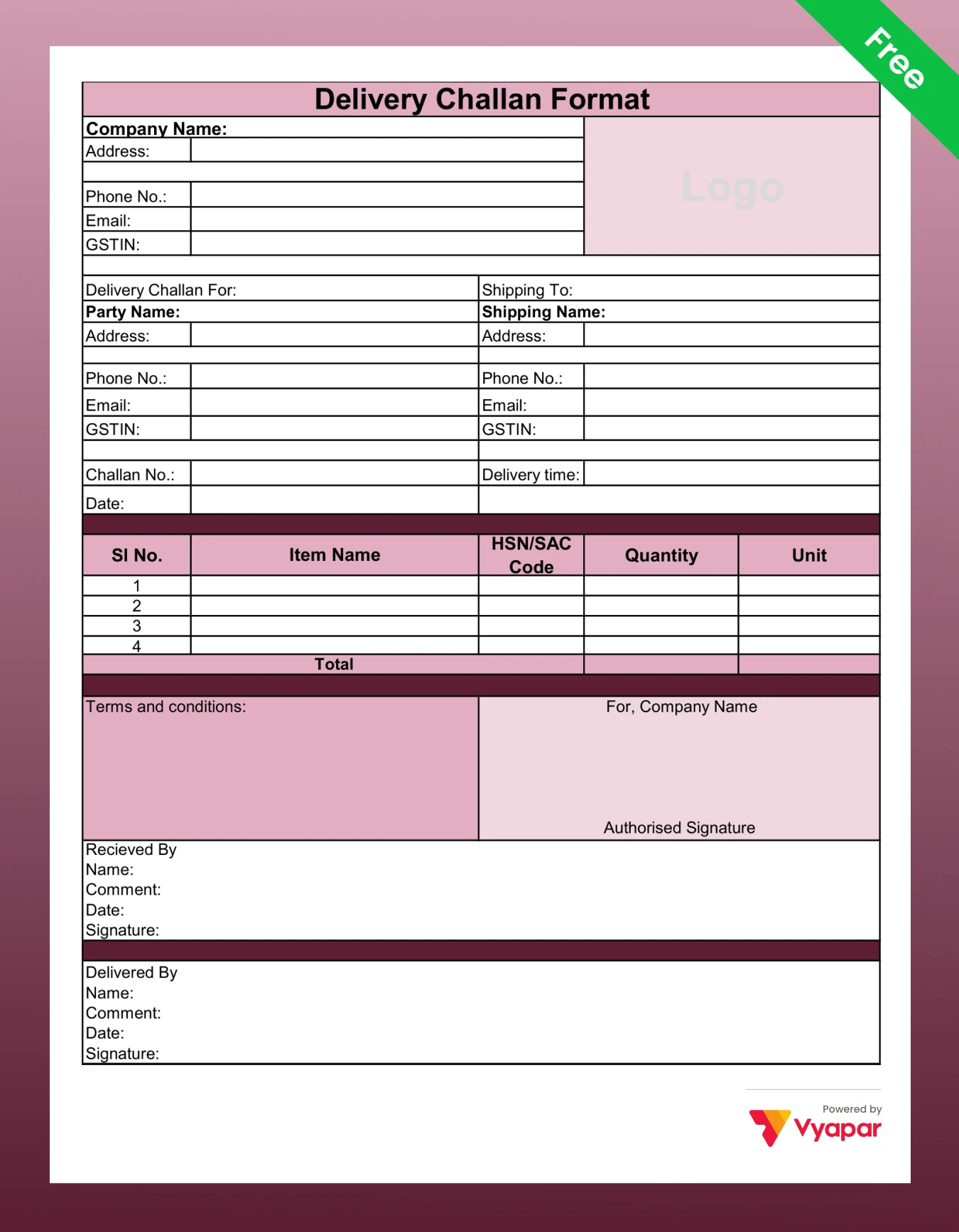
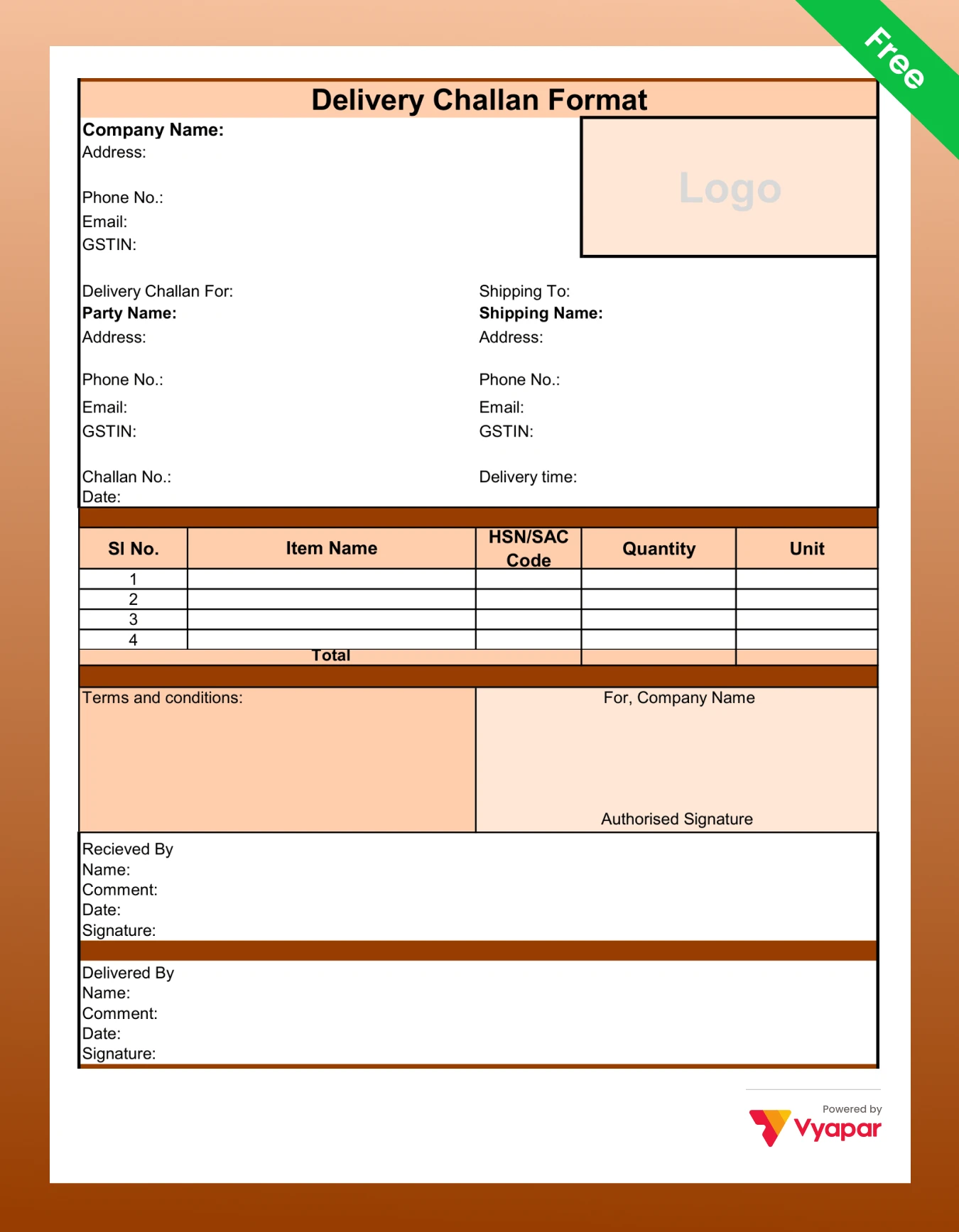
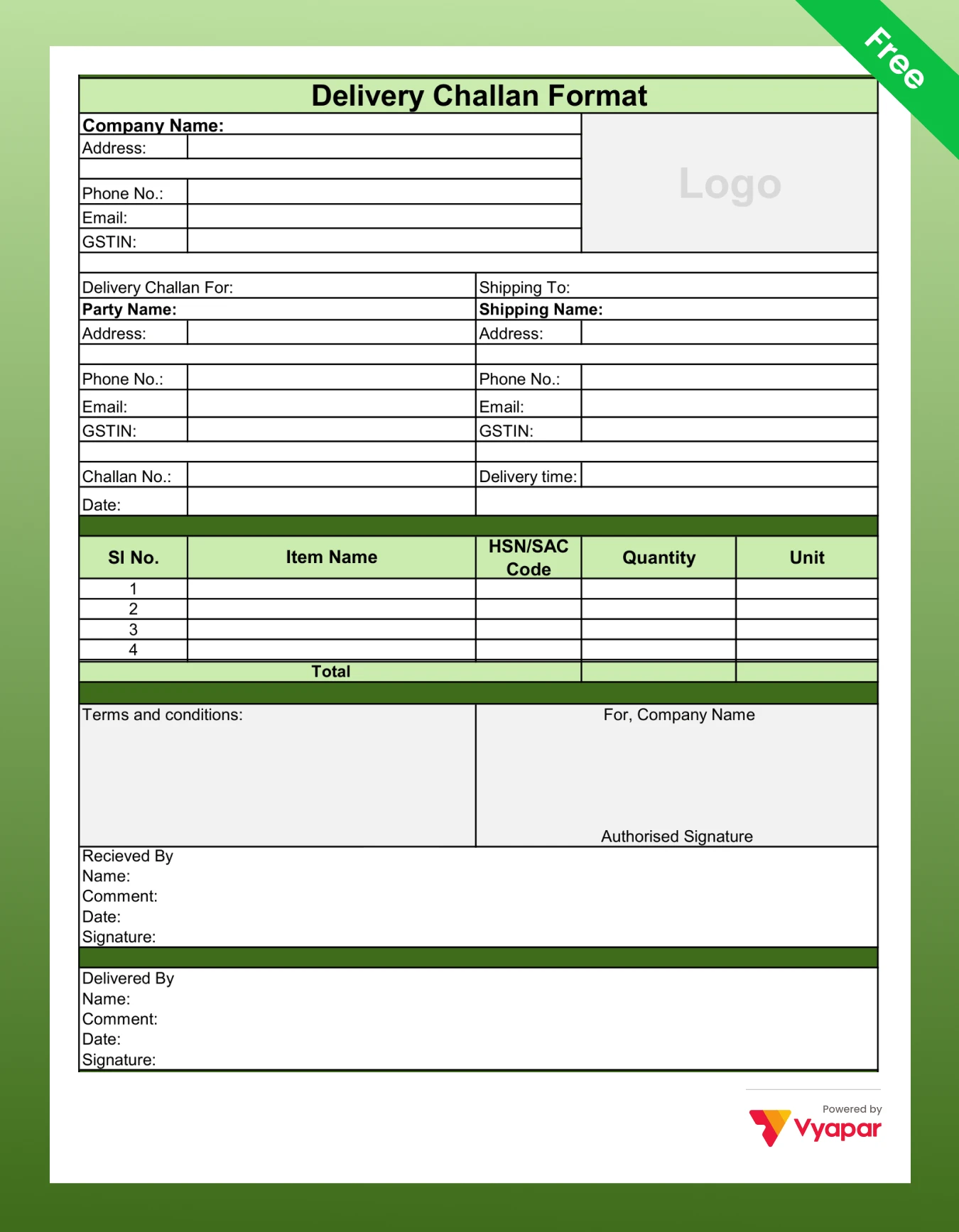
No templates found
Try adjusting your filters to find the templates you’re looking for.
WHAT IT IS
What is a Delivery Challan?
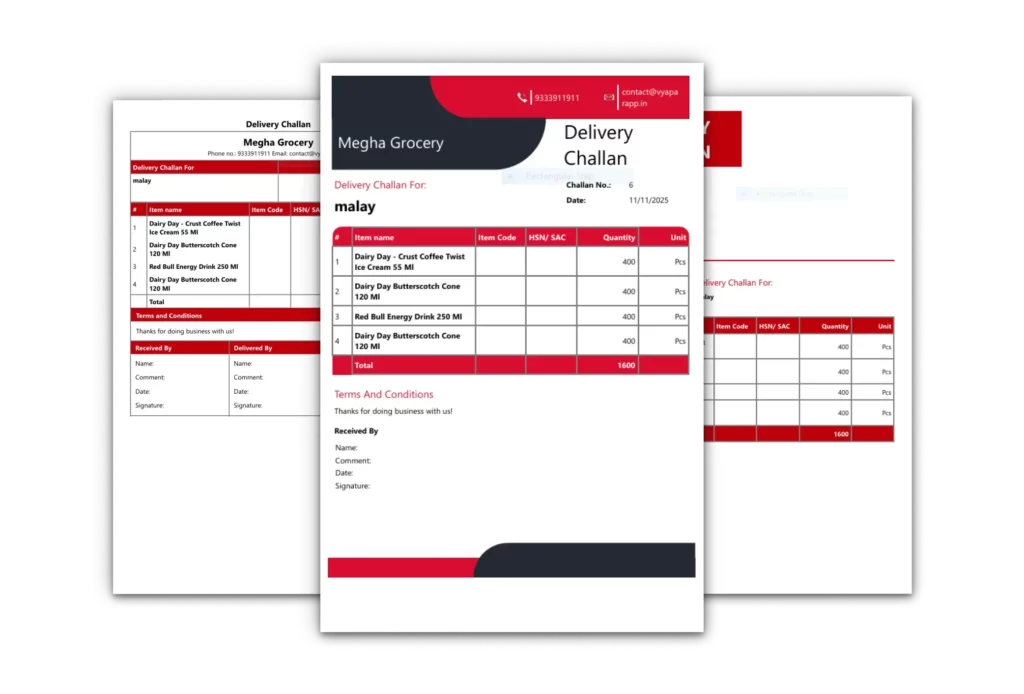
A Delivery Challan (DC) is a formal document used by a business to track and confirm the movement of goods. It is a crucial tool for businesses that need to transport inventory for reasons other than a final sale.
Unlike a tax invoice, a Delivery Challan does not record the sale price or tax amount. Its primary purpose is to serve as proof of dispatch and transport. It is legally mandatory under GST Rule 55 for specific activities, such as sending goods for job work, stock transfers between branches, or delivering items on a trial basis. It provides a transparent audit trail for physical inventory movement.
Under GST rules, every delivery challan should have a unique serial number (up to 16 characters). Also, make sure you keep these records safely for up to 72 months, as they may be needed later.
Quick Guide
How to Use a Delivery Challan Format
01
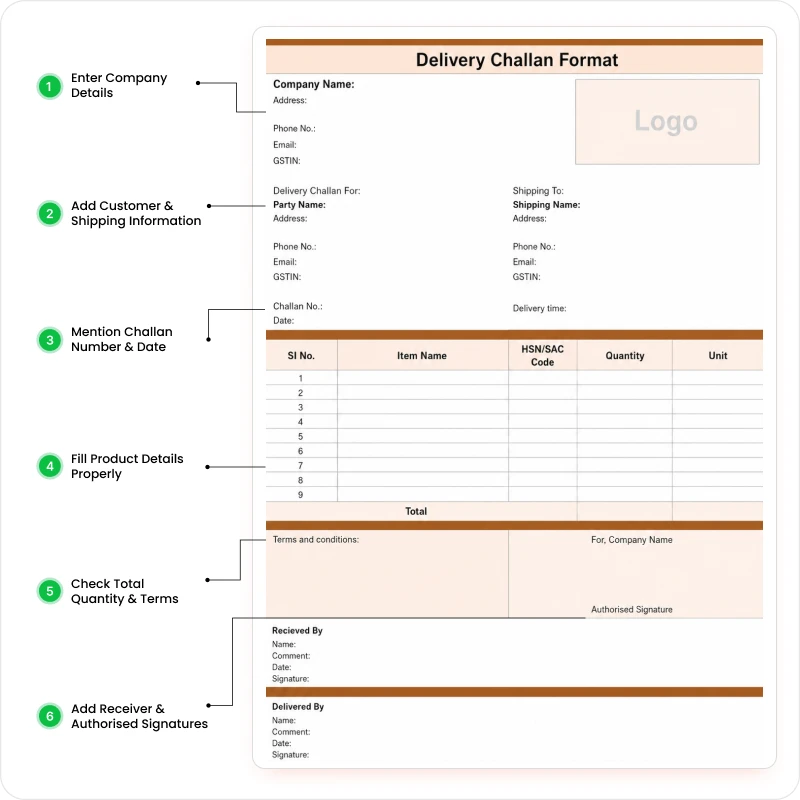
Enter Company Details
Download your template from Vyapar app website, fill in your business name, complete address, phone number, email, and GSTIN at the top. Upload your company logo in the logo box on the right. This identifies you as the sender and makes the document official.
02
Add Customer & Shipping Information
On the left, fill “Delivery Challan For” with the party/buyer name, address, phone, email, and GSTIN. On the right, fill “Shipping To” with the delivery destination details – name, address, phone, email, and GSTIN. These two may differ if goods are shipped to a different location than the billing party.
03
Mention Challan Number & Date
Enter a unique Challan Number for tracking purposes and the date of dispatch. Also, fill in the delivery time if applicable. Keep challan numbers sequential to avoid GST mistakes and audit issues.
04
Fill Product Details Properly
In the table, fill each row with the Serial Number, Item Name, HSN/SAC Code, Quantity, and Unit (e.g., kg, pcs, box) for every product being dispatched. Be specific – avoid vague descriptions like “goods” or “material” to prevent stock reconciliation issues.
05
Check Total Quantity & Terms
Review the Total row at the bottom of the table to confirm quantities are correct. Fill in any Terms and Conditions on the left (e.g., return policy, transport terms). The right side is for the authorised signatory’s name under “For, Company Name.”
06
Add Receiver & Authorised Signatures
At the bottom, the “Received By” section should be filled and signed by the person accepting the goods – with their name, comments, date, and signature. The “Delivered By” section is filled in by the delivery person with the same details. Both signatures serve as legal proof of delivery.
Understanding The Basics
Key Components of a Professional Delivery Challan
A legally compliant Delivery Challan must be clear, detailed, and include these six essential elements:

Document Title and Number
The document must clearly be titled “Delivery Challan”. Include a unique, sequential DC Number for tracking and the Date Issued.
Consignor Details (Your Business)
Clearly display your Business Name, Logo, Address, Phone Number, and GSTIN. This identifies the sender of the goods.

Consignee Details (Recipient)
Include the recipient’s Name, Address, and GSTIN (whether a customer, job worker, or branch office). This ensures legal compliance for stock transfer.

Itemised List of Goods
A detailed table listing the goods. Include the Description, HSN/SAC Code, Quantity, and the Taxable Value of the goods. Note: Tax amount/Final Price is NOT included.

Reason for Transfer
Crucially, state the specific Reason for the transfer (e.g., “Supply for Job Work,” “Stock Transfer to Branch,” or “Sale on Approval”). This dictates the GST rules that apply.

Terms, Conditions, and Authorisation
Include necessary Terms regarding the transfer and delivery. Crucially, space for the Signature of the person receiving the goods and the Authorisation Signature of the dispatcher.
When to Issue?
When to Issue a Delivery Challan under GST?
Under GST, you must normally issue a tax invoice when you move goods. However, Rule 55 outlines specific situations where you can move goods without an invoice, using only a delivery challan instead.
These situations include:
- Job Work: Sending goods to a job worker for processing, and receiving them back.
- Goods for Approval: Sending goods to a customer on a “sale or return” basis. The invoice is only raised later if the customer decides to keep the goods.
- Transporting in Batches: When goods are moved in multiple shipments (in a semi-knocked-down condition). You issue one main invoice and a separate delivery challan for each subsequent truck/shipment.
- Other Reasons: Any transport of goods that is not for an immediate sale (e.g., moving stock from one warehouse to another).
The triplicate copy rule (Rule 55(2)) ensures that all three parties involved in the movement (sender, transporter, and receiver) have a valid document for the goods.
Types
Types of Delivery Challan
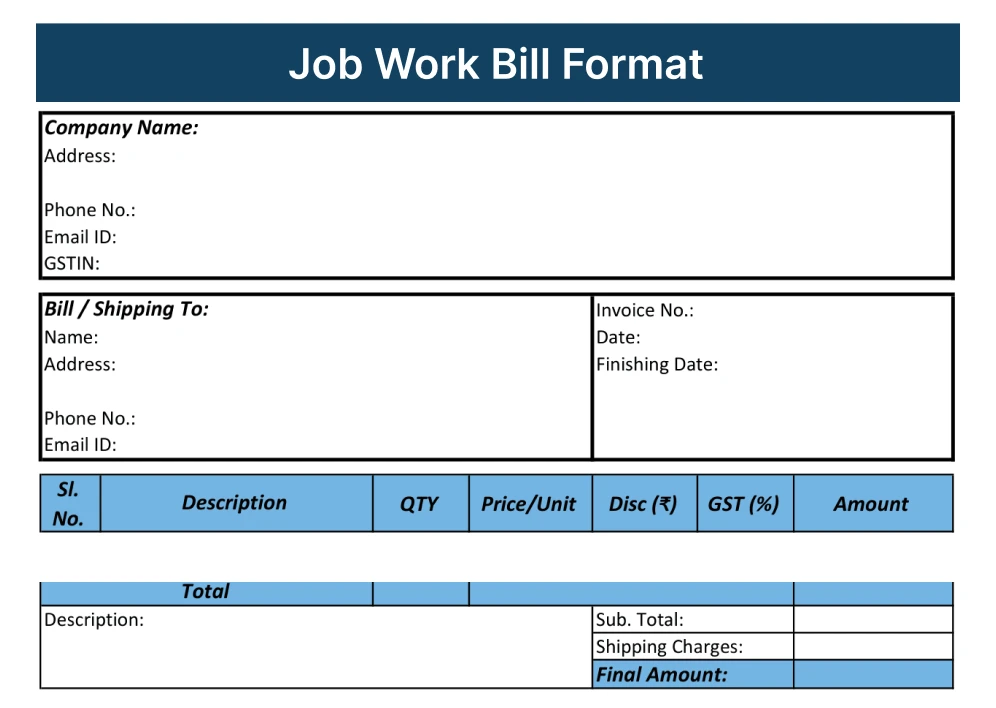
Job Work Challan
This is used when you send goods to someone for work like repair, polishing, or manufacturing. Once the work is done, the goods usually come back to you.
Sales Return Challan
You use this when a customer returns goods. It could be because the item is damaged or not what they ordered. This challan helps you keep a proper record before giving a refund or replacement.
Stock Transfer Challan
This is used when you move goods from one place to another within your own business, like from your warehouse to your shop. There’s no sale here, just movement of stock.
Advantages of Using a Professional Delivery Challan Format
Using a dedicated Delivery Challan Format is not just a suggestion; it’s a critical legal and operational requirement that ensures compliance and protects your inventory.
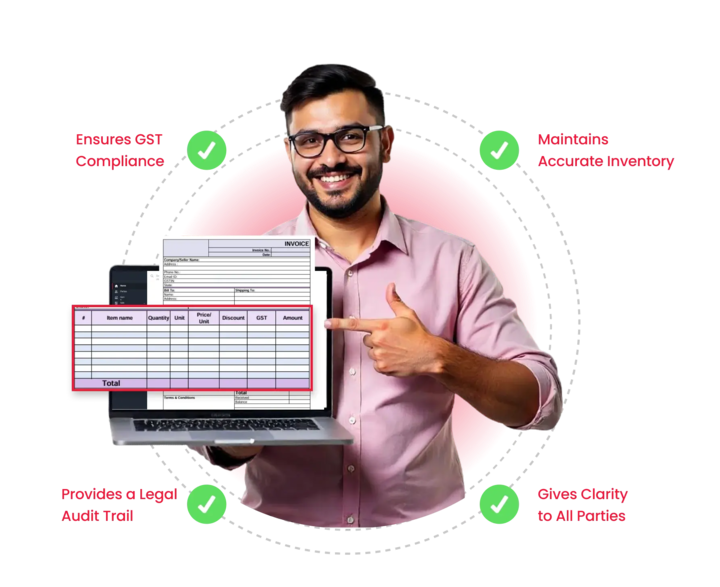
- Ensures GST Compliance: A Delivery Challan is the legally mandatory document (under GST Rule 55) for moving goods without a tax invoice. Using it correctly for job work, stock transfers, or goods on approval helps you avoid GST mistakes and stay tax-ready.
- Maintains Accurate Inventory: It creates a formal record of all goods leaving your warehouse that are not for sale. This ensures your stock counts remain 100% accurate, as you can track items out for job work or at other branches.
- Provides a Legal Audit Trail: A DC is your formal proof of dispatch and receipt. The “triplicate copy” system (for sender, transporter, and receiver) prevents disputes about what was sent, when, and why.
- Gives Clarity to All Parties: A challan clearly states the reason for transport. This prevents confusion for your transporter and informs the recipient (e.g., a job worker) exactly what they are receiving and what is expected.
Limitations & Challenges of Using Static DC Templates
While a free delivery challan template in Excel or Word is a start, it creates significant manual work, compliance risks, and inventory errors.
- No Real-Time Tracking: A static DC format is an offline file. You have no way to track the delivery status, confirm receipt, or get a glance at which items are still outstanding with your job workers.
- Requires Manual Data Entry & Conversion: This is the biggest bottleneck. When you’re ready to create the final tax invoice, you must manually retype every single item detail from the challan into a new invoice. This doubles the work and is a major source of errors.
- No Automatic Inventory Updates: The template doesn’t connect to your stock levels. You must remember to manually deduct the goods from your inventory when you send the challan, and you might forget to add them back if they are returned.
- Cluttered Record-Keeping: Your entire transport history becomes a messy folder of files (e.g., DC-001.pdf, JobWork-DC-002.docx). You can’t run a report to see all outstanding challans or your complete history with a specific job worker.
Go Beyond Templates
Simplify Delivery Challan Management with Vyapar App
More than just formats – a complete business management solution
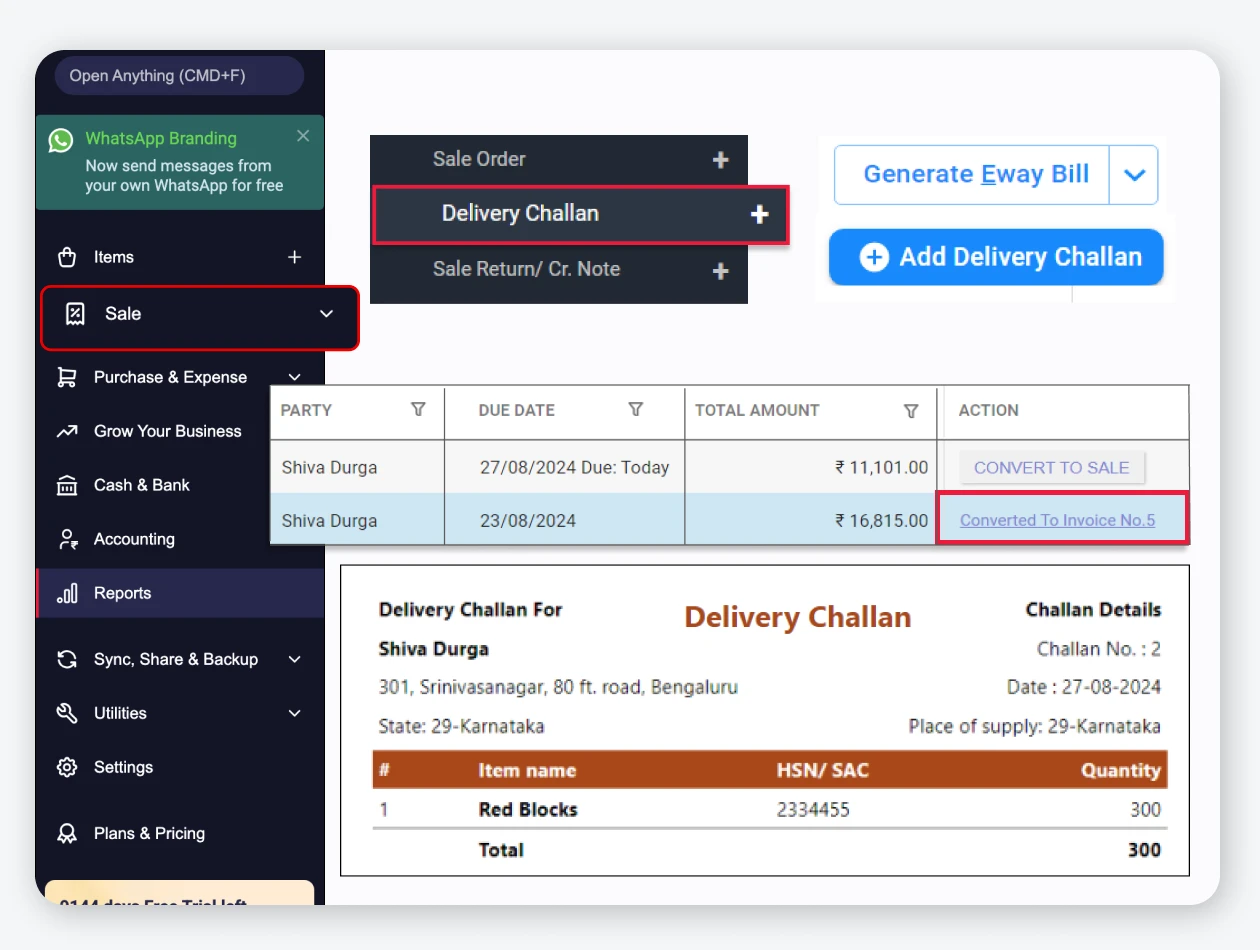
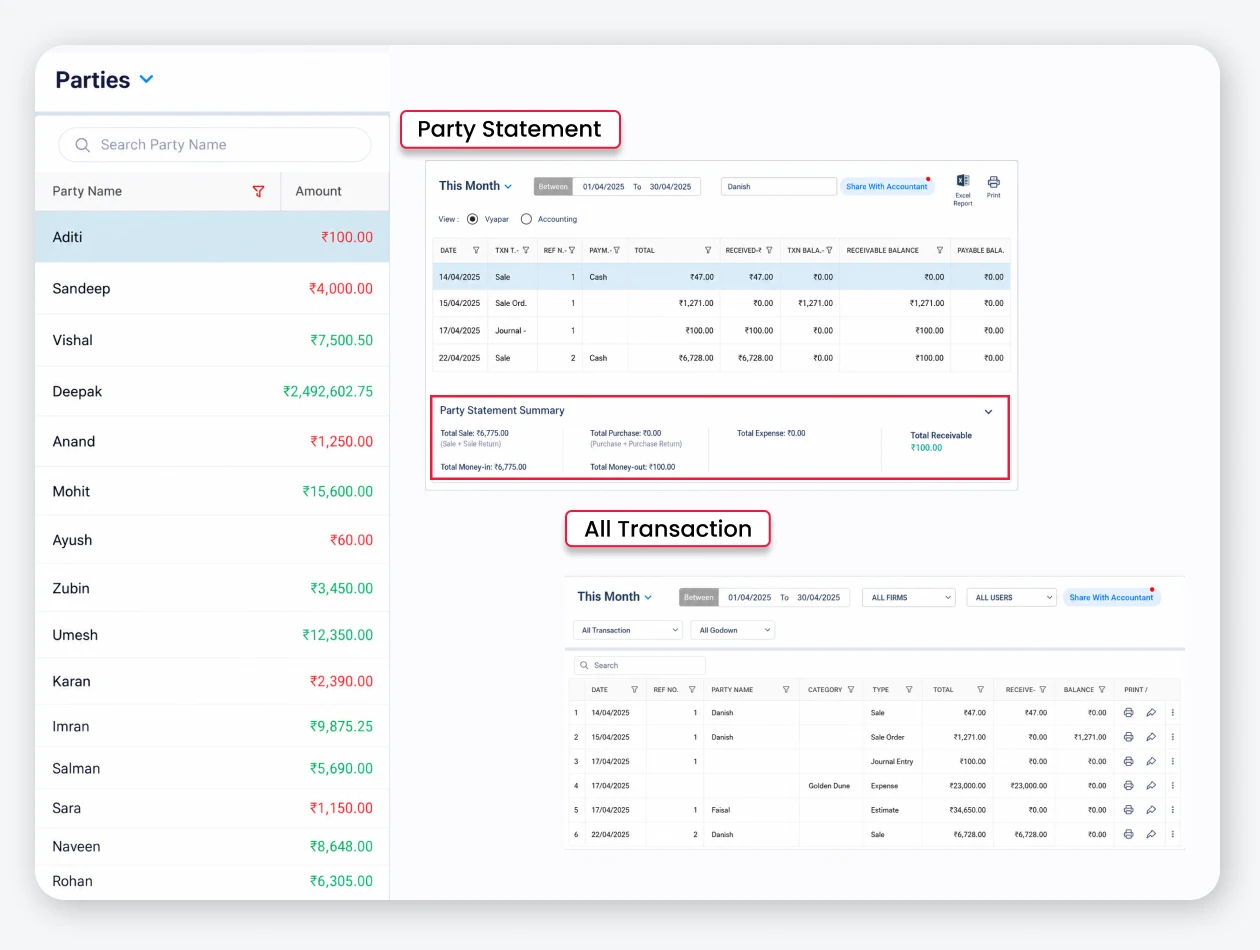
Customer Balance Tracking
Monitor pending payments and outstanding balances for every customer.
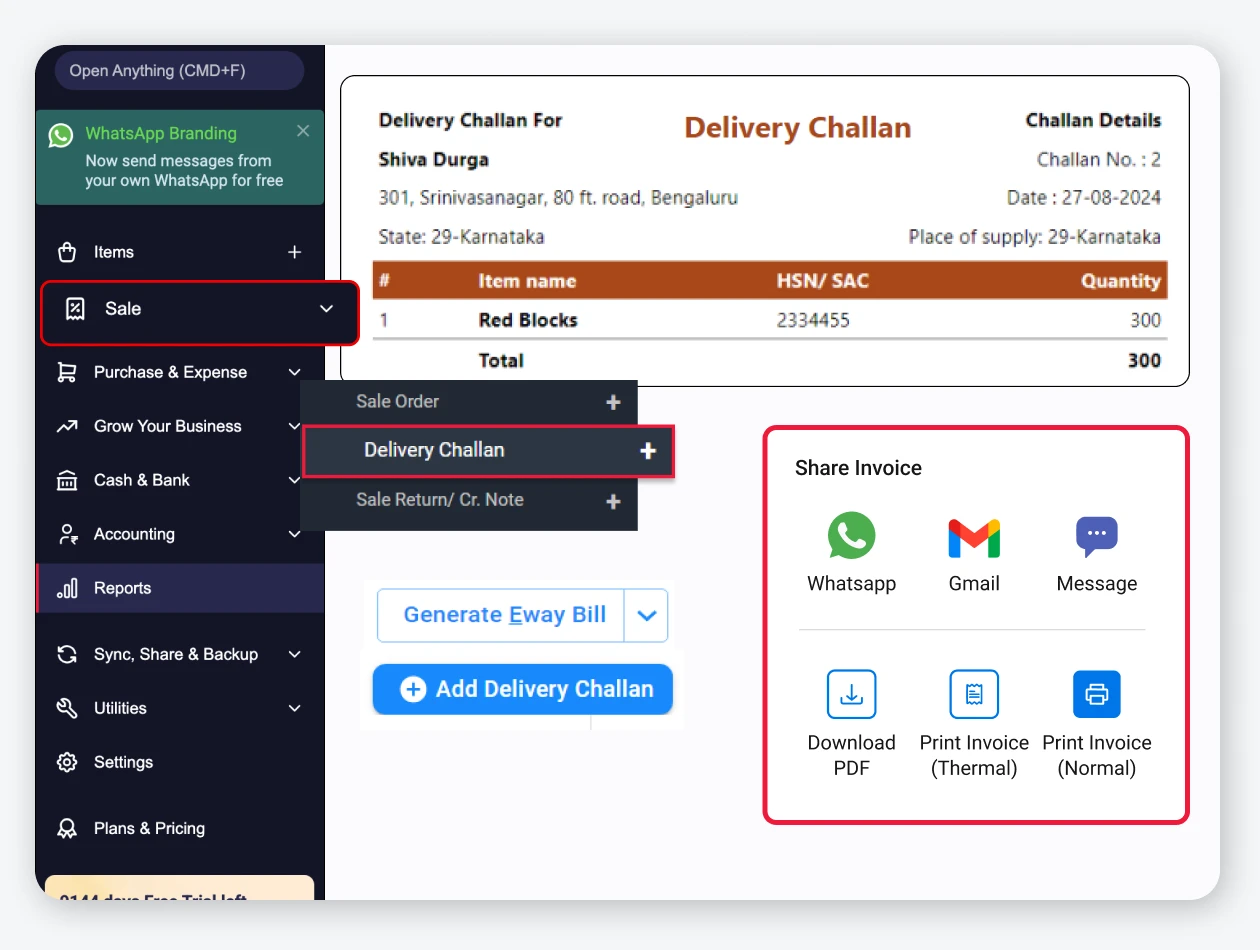
Share Challans Instantly
Send professional delivery challans directly to customers in seconds.
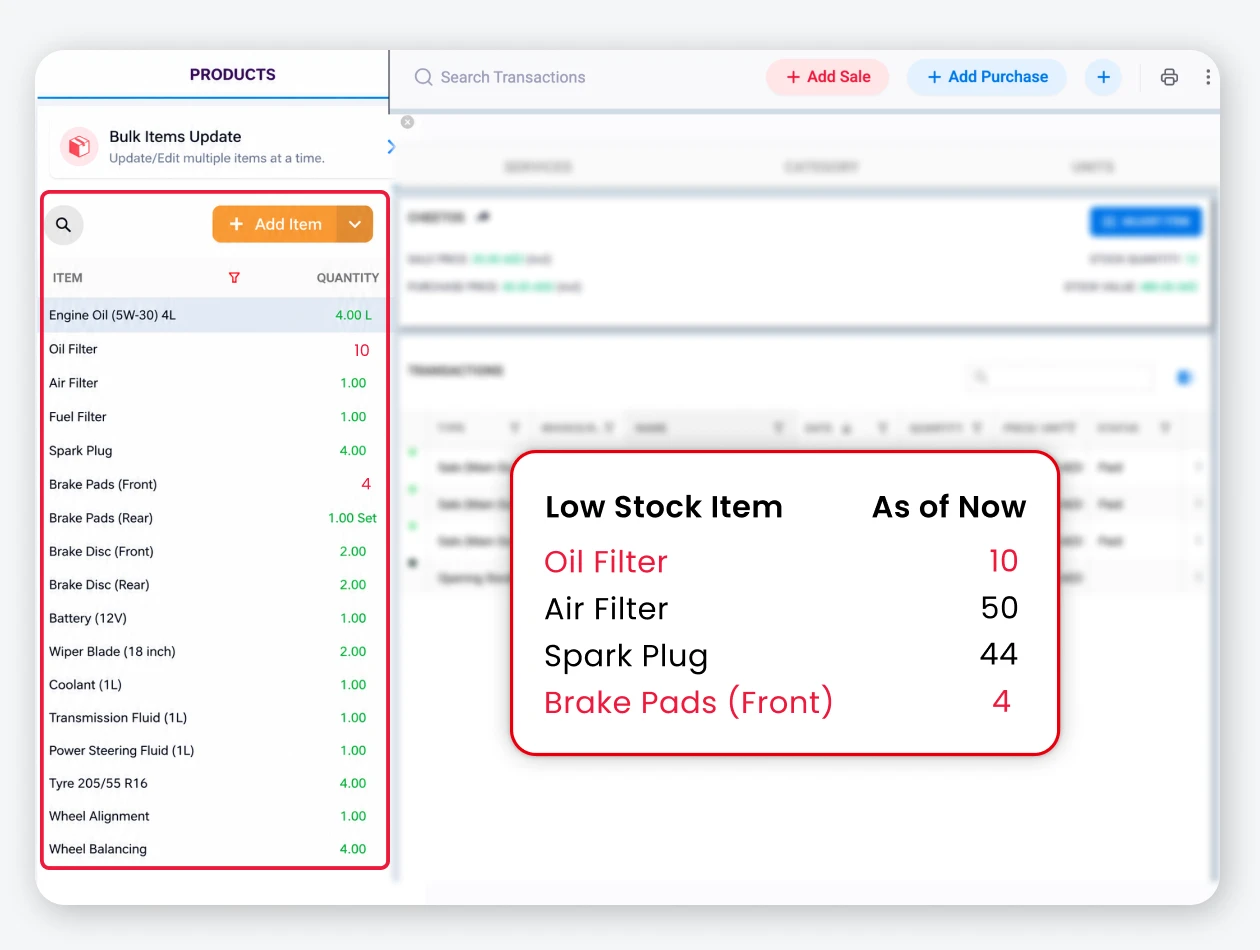
Track Stock Automatically
Inventory updates automatically whenever goods are delivered.
Everything you need to run your business
- Auto GST calculations
- Inventory management
- Payment reminders
- Multi-device sync
Available in Android, iOS, Mac and Windows
Got Questions?
Frequently Asked Questions
Find answers to common questions about Delivery Challan Formats
How is a delivery challan different from a delivery note?
A delivery note is a simple document that accompanies a delivery, listing the products and quantities. A delivery challan is a more formal, GST-compliant document (under Rule 55) that is legally required for moving goods without a tax invoice, such as for job work or stock transfers.
What is the difference between a delivery challan and a bill of supply?
A delivery challan is used to document the movement of goods when no sale has occurred. A bill of supply is a billing document (like an invoice), but is issued for goods or services that are exempt from GST.
Is an e-Way Bill required for a delivery challan?
Yes, an e-Way Bill is mandatory if the total value of the goods on the delivery challan is over ₹50,000. The delivery challan and the e-Way Bill are two separate documents that must accompany the goods during transport.
How many copies of a delivery challan are required under GST?
You must prepare three copies (triplicate) of the delivery challan:
a. Original: For the consignee (the receiver).
b. Duplicate: For the transporter (the driver).
c. Triplicate: For the consignor (you, the sender).
What is the role of a delivery challan in inventory management?
It’s a critical document. A delivery challan formally records goods leaving your inventory (even without a sale), such as for stock transfers or job work. This ensures your inventory count remains accurate and provides a clear audit trail for all stock movements.


Billing software in India for small businesses