
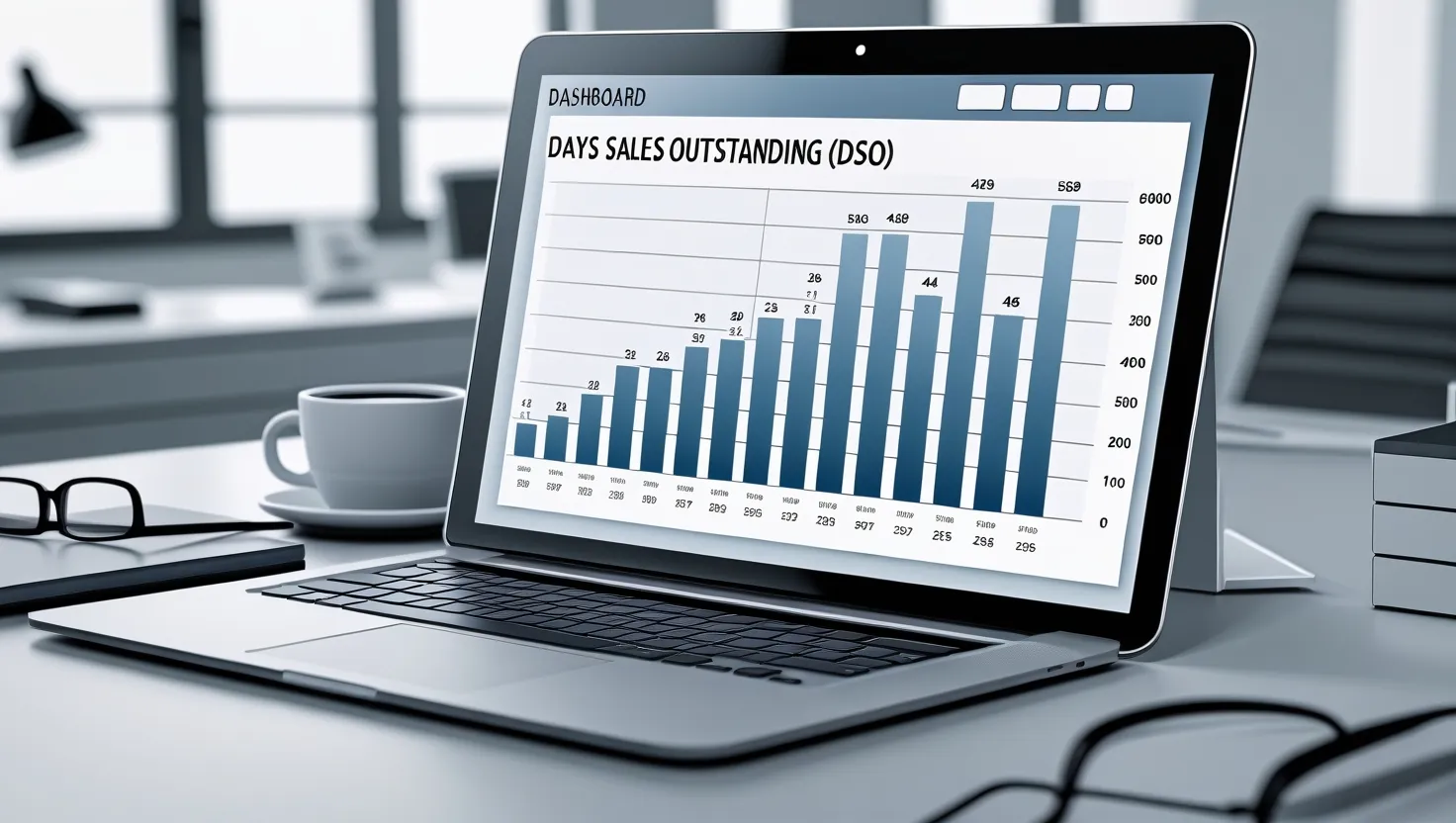
What Is DSO? #
DSO stands for Days Sales Outstanding. It shows you how fast your business receives payment after making a sale on credit. If your business sends an invoice, DSO shows how many days it takes to get that money back.
Knowing your DSO helps you see how good you are at collecting payments. This is important because collecting money quickly helps your business stay strong and grow.
Why DSO Matters for Small Businesses #
Running a small business takes smart money management. Keeping track of how quickly customers pay helps you control your cash. If you don’t receive your payment on time, you may find it hard to pay bills or buy more supplies.
In places like India, where small businesses play a crucial role in the economy, DSO is even more important. A low DSO (fast payments) means your business is healthy. A high DSO (slow payments) indicates that you might need to act to receive payments faster.
DSO and Your Business Success #
Collecting money faster can help your business in many ways:
- You get more cash to spend on new products or better tools.
- You can pay your bills on time.
- You don’t have to borrow money because customers have your cash.
By keeping your DSO low, you’ll have more control and freedom in your business.
How to Calculate DSO #
You can figure out your DSO with this simple formula:
DSO = (Accounts Receivable ÷ Total Credit Sales) × Number of Days
Let’s break this down:
- Accounts Receivable: The total money customers owe you.
- Credit Sales: All the sales where customers said they would pay you later.
- Number of Days: This could be 30 days for a month, 90 days for a quarter, or 365 days for a year.
Example:
Imagine you made ₹100,000 in credit sales in one month. At the end of that month, ₹25,000 is unpaid.
DSO = (25,000 ÷ 100,000) × 30 = 7.5
So your DSO is 7.5 days. On average, companies take 7.5 days to pay.
Timeframe Choices for DSO #
You can choose to calculate DSO each month, every three months, or once a year.
- Monthly DSO: This shows quick results and helps you act fast.
- Quarterly DSO: Gives a better view over time.
- Yearly DSO: Helps you make long-term plans.
Pick the one that works best for your business.
Why Tracking DSO Helps with Cash #
If your DSO is high, it means you’re waiting too long to get paid. That delay can hurt your cash flow. You may not have enough money to pay for supplies, salaries, or new tools.
For example, if your bills are due in 30 days but customers take 45 days to pay, you’re short on money for 15 days. That can cause significant issues.
DSO Shows Your Financial Health #
You can use DSO to see how your business is doing. Compare it to other businesses in your industry. If your DSO is lower, you’re doing great. If it’s higher, it may show trouble in collecting payments.
DSO is also used in reports like:
- Balance Sheet: This shows how much customers owe you.
- Profit and Loss Report: This shows how fast you turn credit sales into real cash.
When you add DSO to your financial reports, you get a clearer picture of your money.
Benefits of Keeping DSO Low #
- Enhanced Cash Flow Management: Reducing your DSO allows for more efficient financial management. Knowing when payments arrive helps you make informed decisions about spending and saving.
- Informed Decision-Making: By understanding the timing of incoming payments, you can make more strategic choices, ensuring that you don’t overspend or commit to expenses you can’t afford.
- Customer Insights: Keeping an eye on DSO provides insights into customers who often pay late. This information enables you to establish clearer guidelines or issue reminders to prompt quicker payments.
- Optimised Credit Policies: Utilise DSO data to refine your credit terms. You might consider offering early-payment discounts or requiring advance payments to reduce the risk of delayed collections in the future.
- Consistent Business Growth: Timely payments ensure a steady flow of capital, enabling you to invest in inventory, hire new employees, or upgrade equipment without interruptions, fostering uninterrupted business development.
- Competitive Edge: By optimising your DSO better than your rivals, you can sustain a more robust cash flow. This gives you the financial flexibility to innovate and grow at a faster rate than others in the industry.
Steps to Manage DSO Better #
- Understand Your Receivables: Begin by reviewing your Accounts Receivable to understand how much money customers owe you. This will provide clarity on your cash flow.
- Select the Right Review Period: Choose how frequently you’ll assess your DSO. Monthly reviews provide quick insights, while quarterly evaluations offer a more thorough trend analysis.
- Apply the Formula: Calculate DSO using the formula: DSO = (Accounts Receivable ÷ Credit Sales) × Number of Days. This will indicate the typical duration needed to obtain payments from clients.
- Analyse the Results: Monitor if your DSO is on the rise or decline. An increasing DSO suggests payment lags, emphasising the need to reassess your collection strategies.
- Strengthen Credit Policies: If your DSO is elevated, think about asking new clients for upfront payments or reducing credit terms. You could also incentivise faster payments with discounts or other rewards.
- Regular Monitoring: Continuously track your DSO to identify potential cash flow issues early on. Regular assessments enable you to remain proactive and ensure your business’s financial health.
Common DSO Problems and How to Fix Them #
- Inconsistent Cash Flow: If your income varies significantly month to month, review your invoicing and payment policies. Ensure they are written and easy for customers to understand and follow.
- Inaccurate Financial Records: Errors in your accounting data will result in misleading DSO figures. Maintain accurate records and routinely verify your entries to ensure your DSO calculation is reliable.
- Late Customer Payments: Some customers may forget or postpone payments. Implement automated reminders before due dates and consider offering early payment incentives, such as small discounts, to encourage prompt payments.
- Outdated Credit Policies: Your current credit terms may no longer suit your business or customer behaviour. Use insights from your DSO trends to revise and modernise your credit rules.
- Lack of Regular Monitoring: Skipping routine reviews can delay your response to cash flow issues. Schedule a fixed day each month to review your DSO, helping you stay informed and take timely action.
- Rising DSO Trends: If your DSO continues to increase, act promptly. Identify customers who regularly delay payments, communicate with them, adjust their terms if necessary, and rework your overall credit strategy to better manage receivables.
Best Tips to Keep DSO Low #
- Set a monthly DSO checkup.
- Set a goal number that fits your business type.
- Offer discounts for early payments.
- Check customer credit before making credit sales.
- Use tools to track DSO easily.
- Send out invoices right away.
- Keep in touch with customers about their payments.
Real-Life Examples #
A Retail Store in Mumbai
This retail store faced challenges in receiving timely payments from customers. To address this, they closely monitored their Days Sales Outstanding (DSO) every month and implemented a strategy to encourage quicker payments by offering discounts for early settlements.
As a result, an increasing number of customers paid their invoices promptly. This positive shift in payment behaviour enabled the store to maintain a healthier cash flow, allowing it to replenish its inventory promptly and continue its business operations smoothly.
A Factory Revises Its Credit Terms
A medium-sized manufacturing facility had been offering extended credit periods to its clients, leading to a higher DSO and slow cash inflows. To improve their liquidity, the factory began reviewing its DSO regularly and decided to revise its credit terms by reducing the length of time customers were allowed to pay.
This strategic adjustment improved the factory’s cash flow, enabling it to reinvest the funds more quickly, purchase new equipment, and support the growth of its operations.
How Vyapar App Helps #
- Tracks Payments in Real-Time: You can check who paid and who didn’t anytime.
- Creates Reports: You get clear reports that show where your money is and where it’s stuck.
- Designed Discount Template: Share upcoming discounts to customers in one click.
- Helps Manage Customers: Set reminders, track due dates, and handle accounts in one place.
FAQ’s: #
Why Does DSO Matter?
It demonstrates how quickly you receive your payment. Faster is better for your business.
What’s a Good DSO Number?
It depends on your industry. Lower numbers are usually better.
How Often Should I Check DSO?
At least once a month.
What Happens If My DSO Is High?
You might not have enough cash to run your business well.
Does DSO Matter If I Run a Service Business?
Yes. You still need to receive payment after you offer your service.
How Do I Lower My DSO?
Use early payment discounts, send invoices right away, and check customer credit.
Does DSO Change By Industry?
Yes, so compare your DSO with others in the same industry.
How Does DSO Help Me Plan?
Knowing when cash comes in helps you plan what to spend and when to save.
Conclusion #
Keeping your DSO low helps your small business stay healthy. It tells you how fast money comes in after you make a sale. By using simple tools, setting strong rules, and checking in often, you can control your cash flow better.
Use Vyapar App to handle billing, stock & payments all in one place.
Make bills, track stock, and handle payments in one place.