Core standards like AS 1, AS 2, AS 3, AS 9, and AS 10 are most relevant
Some standards are merged or withdrawn
Accounting Standards ensure consistency and compliance
Introduction
Accounting Standards in India define how businesses record, present, and report financial transactions. Issued by the Institute of Chartered Accountants of India (ICAI), these standards ensure consistency, transparency, and accuracy in financial statements. For small and medium businesses, understanding these standards helps maintain proper books of accounts, comply with tax regulations, and make informed financial decisions.
Meaning of Accounting Standards
“What do you mean by Accounting Standards?”
Accounting Standards are a set of guidelines that govern how financial transactions should be recognized, measured, and disclosed in financial statements. They help answer critical questions such as:
When should revenue be recorded?
How should inventory be valued?
What financial information must be disclosed?
Using accounting software helps implement these standards consistently in daily operations. By following these standards, businesses ensure their financial data is reliable and comparable across periods.
Overview of Accounting Standards in India
India has issued 32 Accounting Standards (AS 1 to AS 32) under Generally Accepted Accounting Principles (GAAP). However, not all are currently active, as some have been merged or withdrawn. For most small businesses, only a few key standards are used regularly in day-to-day accounting.
Key Accounting Standards for Businesses
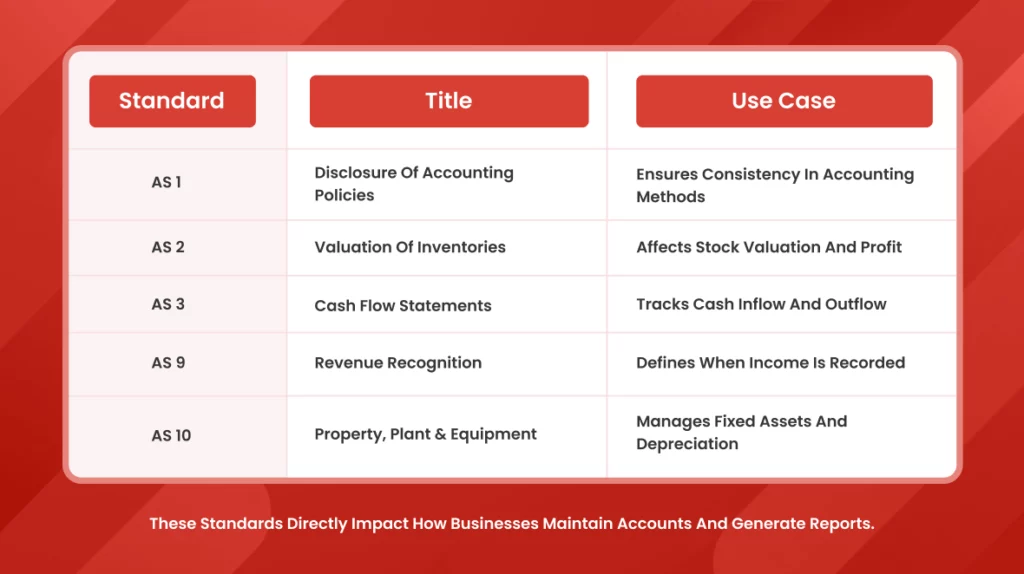
The following standards are most relevant for billing, inventory, and financial reporting:
Complete List of Accounting Standards
These guidelines ensure consistency for preparers, auditors, and stakeholders when managing financial statements.
Core Standards
Better does not always mean expensive. It means useful, reliable, and designed for your type of business. A good accounting software for small businesses helps you see the full picture.
Standard
Description
AS 1
Defines the disclosure of accounting policies followed by a business to ensure consistency and transparency in financial reporting.
AS 2
Covers valuation of inventory, including raw materials and finished goods, to determine accurate cost and profit.
AS 3
Focuses on cash flow statements, showing inflow and outflow of cash from operating, investing, and financing activities.
AS 4
Deals with contingencies and events occurring after the balance sheet date that may impact financial statements.
AS 5
Specifies treatment of net profit or loss, including prior period items and changes in accounting policies.
Accounting Standards in India ensure consistency, accuracy, and compliance in financial reporting. While only a few standards are commonly used by small businesses, understanding them helps maintain proper records, avoid errors, and make better financial decisions. Using the right accounting tools can further simplify compliance and improve overall efficiency.
I’m a business enthusiast with 8+ years of experience in business management and finance, holding a Bachelor of Business Management (BBM) in Marketing and an MBA in Finance. With expertise in marketing, accounting, financial management, business law, MIS, and business economics, I focus on simplifying complex business and finance topics into clear, practical insights for entrepreneurs, professionals, and students.
- "Tax Professional & Business Finance Expert"
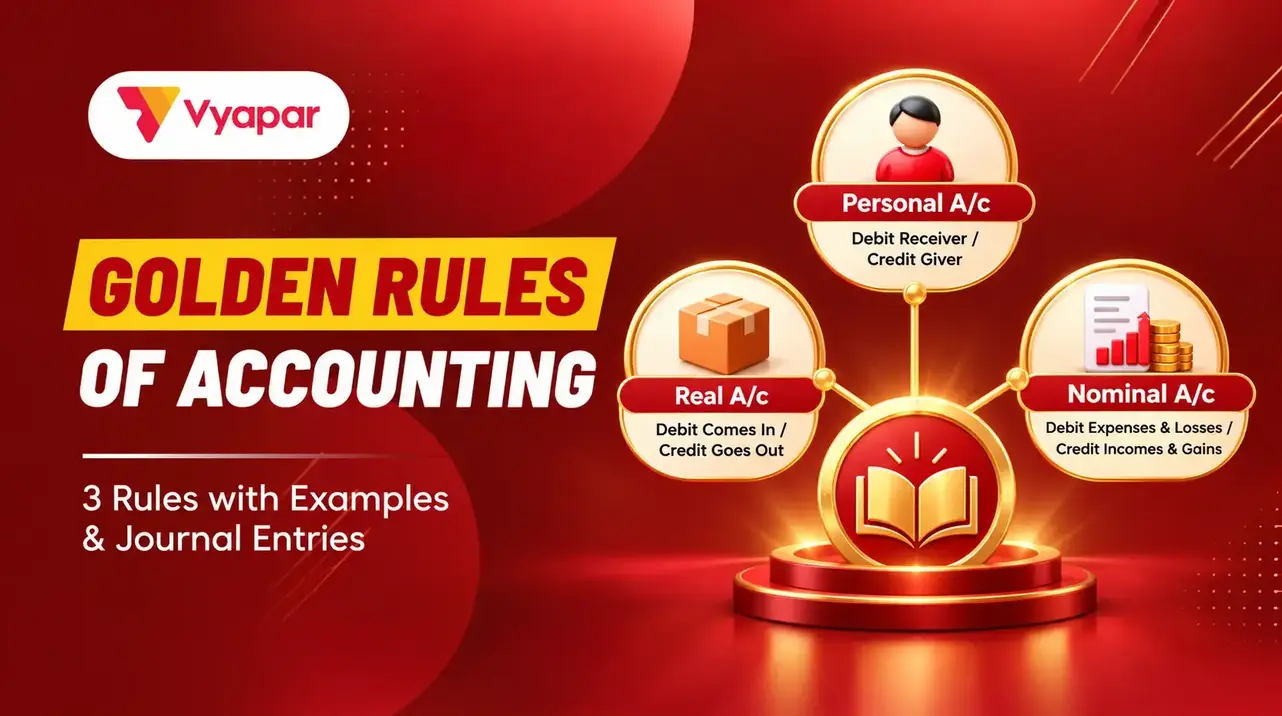
KEY TAKEAWAYS The 3 Golden Rules: They help decide which account to debit and which to credit. Know the Account Types: Identify whether an account is Personal, Real, or Nominal before applying the rule. Every Transaction Has Two Sides: Each transaction affects at least two accounts through debit and credit. Apply Them to Daily Transactions:…
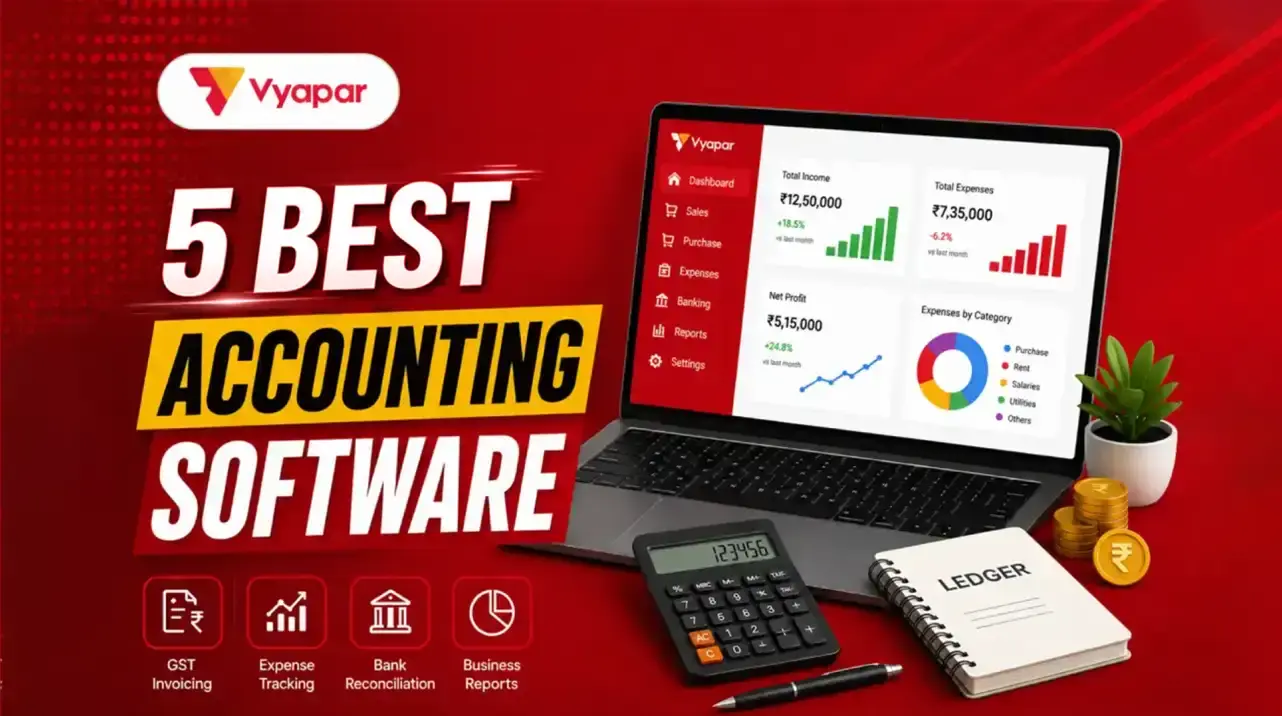
Introduction Retail businesses today need much more than basic bookkeeping. Between GST compliance, inventory valuation, expense tracking, profit monitoring, vendor payments, and daily sales reconciliation, managing finances has become increasingly complex.. To help retailers choose the right solution, I’ve compared five of the most popular accounting software options in India based on ease of use,…
Introduction Running a small business in India in 2026 means going through GST returns, e-invoicing, e-way bills, inventory, and daily bookkeeping, usually without a full-time accountant. The right GST accounting software for small business automates the heavy lifting and frees you to focus on growth. We’ve compared the five most widely used names in India,…